People give different reasons: curiosity, wanting to try something they’ve seen, or wanting to please a partner. Some say they enjoy it. Others feel expected to go along with it.
In interviews with college women, many said a partner first choked them without asking. Surveys also suggest that some young people believe choking is safe or see it as an expected part of sex.
Friends, porn and partners are common places people first hear about it, often before they turn 18.
What people often call “choking” during sex is strangulation: pressure on the neck that can restrict blood flow to the brain, breathing, or both.
You can still be able to breathe while your brain isn’t getting enough blood. That’s why being able to breathe doesn’t mean you’re safe.
The effects can happen quickly. A person may feel dizzy, have changes in vision, become confused or pass out. Pressure on the neck can also injure blood vessels and the airway, sometimes without leaving a mark.
Choking can cause brain injury, stroke and death. Serious harm can happen the first time.
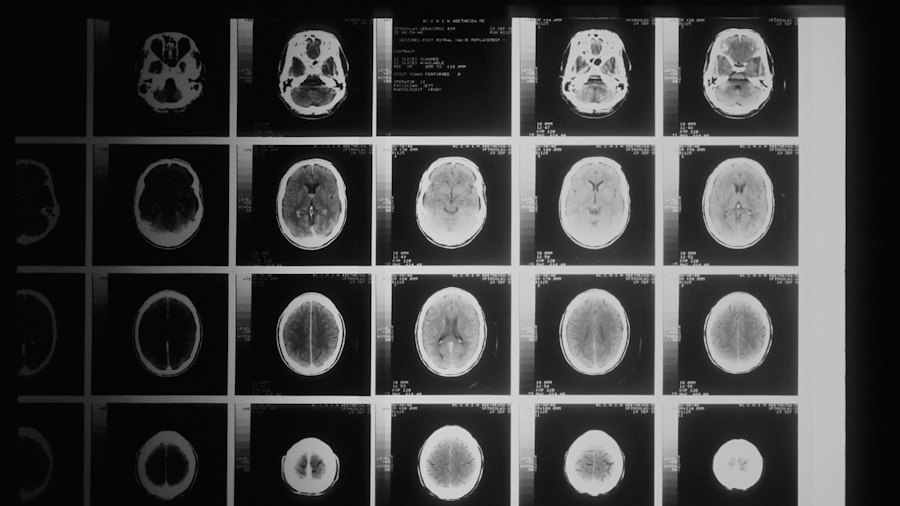
Researchers are also studying repeated choking. Small studies have found differences in brain scans and blood markers among women who have been choked frequently, but the long-term effects are still being studied.
There is no safe way to choke someone.
You can’t reliably judge how pressure on the neck is affecting the brain or blood vessels. Going gently, stopping early or using a safe word does not remove the risk.
Keep pressure off the neck. You can say no to being choked, and you can say no if a partner asks you to choke them.
If it has already happened, see “When should I seek medical attention?” below.
Injury can happen before someone passes out. You also can’t reliably tell when a partner is about to lose consciousness.
Some injuries won’t be obvious at the time. A person may feel okay afterward and develop symptoms later. Staying awake doesn’t rule out harm.
No. “Blood choking” restricts blood flow to the brain. Being able to breathe does not protect the brain from a lack of oxygen.
Pressure on the sides of the neck can also injure arteries. A tear in an artery wall can lead to a clot and a stroke. Changing where the pressure goes doesn’t make choking safe.
A medical history may reveal additional reasons for concern. It cannot tell you that choking is safe.
Someone can be young, healthy and have no known medical conditions and still be seriously injured by pressure on the neck.
Consent matters. It doesn’t make choking safe.
You need to be able to change your mind and let your partner know. Choking can make it difficult or impossible to speak, move or think clearly. A safe word or signal can fail if you can’t use it.
Agreeing once is not permission for next time, or for anything more than you agreed to.
Consent also isn’t a guarantee against criminal charges if someone is harmed.
Choking someone can lead to criminal charges, including when it happens during sex. The law depends on where it happened and the circumstances.
Visible injuries are not always required. Consent is not always a defense. For example, Pennsylvania’s strangulation law does not require a physical injury and allows a consent defense only under the conditions set out in its consent statute.
If this happened to you, a victim advocate or lawyer can help explain your options.
Many kink educators warn against it. In a 2024 poll of 57 kink organizations by the National Coalition for Sexual Freedom, only seven allowed choking at events. None taught people how to do it.
Kink communities often emphasize understanding risks and agreeing on boundaries beforehand. With choking, those conversations cannot make the physical risks predictable or ensure that someone can signal to stop.
Stop immediately and remove any pressure on their neck or body. Speak calmly, ask what they need and give them space. Ask before touching them.
If there was pressure on their neck, don’t assume the symptoms are only panic. Trouble breathing, confusion, a changed voice or pain when swallowing can also be signs of injury.
Call 911 if they are struggling to breathe, are unconscious, have a seizure or seem confused. If you’re unsure what’s happening, call for help.
Call 911 immediately. Put the phone on speaker and follow the dispatcher’s instructions. Remove all pressure from the neck.
If they are unresponsive and not breathing normally, or are only gasping, start CPR. Place them on their back on a firm, flat surface. Push hard and fast in the center of the chest, 100 to 120 times a minute. If you’re trained and able, give 30 compressions followed by two rescue breaths. Use an AED as soon as one is available and follow its prompts.
If they are unresponsive but breathing normally, tell the dispatcher and follow their instructions about positioning and monitoring. There may be a neck injury.
Tell the paramedics there was pressure on the neck and describe what happened. They need emergency assessment even if they wake up and say they feel fine.
Call 911 for trouble breathing, loss of consciousness, a seizure, sudden confusion or signs of a stroke, such as a drooping face, arm weakness or slurred speech.
Other warning signs include:
Get medical help if you notice symptoms after pressure on your neck, even if they start later. Tell the doctor or nurse what happened.
If headaches, memory problems or trouble concentrating continue, arrange a follow-up appointment. You can also seek support for feeling frightened, anxious or upset.
No. You can have a serious injury without bruises or other visible marks.
Pressure on the neck can damage blood vessels or cause swelling inside the throat. Some symptoms take time to appear. Bruises can also be harder to see on darker skin.
How your neck looks cannot tell you whether you need medical care.
Call 911 now if someone is unconscious, struggling to breathe, confused, having a seizure, or showing signs of a stroke, such as a drooping face, arm weakness or slurred speech.
Get urgent medical care today if you passed out, have a gap in your memory, lost control of your bladder or bowels, or have symptoms after pressure on your neck. These include neck pain or swelling, trouble swallowing, a changed voice, headache, dizziness, or changes in vision or hearing.
Even if you feel fine and have no marks, seek medical advice after being choked. If symptoms appear or get worse after you’ve been checked, get help again.
You can say: “Someone put pressure on my neck” or “I was strangled.” Tell staff even if you agreed to it.
You don’t have to be okay with it. If you didn’t agree to being choked, your partner did not have your consent.
You can say you never want it to happen again. You don’t owe anyone an explanation, even if you agreed to it before.
Check the warning signs and get medical help if you have symptoms. You can also talk to someone about what happened without deciding whether to report it.
RAINN offers free, confidential support. Call 800-656-4673 or text HOPE to 64673.
Agreeing to one thing does not mean agreeing to more. You have the right to change your mind at any point, and your partner needs to stop when you want to stop.
You may freeze or be unable to speak or move while being choked. Not fighting back does not mean you agreed. This was not your fault.
Seek medical advice even if you feel okay. Some injuries are not immediately obvious. A medical professional can also explain options for documenting injuries and getting a forensic exam.
If a partner uses choking to frighten or control you, support is available.
For adults
Summaries of outside reporting and research.

Hannah Ferguson · The Guardian · 2 September 2026
In August, a 16-year-old girl was found unresponsive in a home on Sydney, Australia’s northern beaches.
Read the summary →
News · Aug 2026The Guardian · 29 August 2026
Sexual strangulation can cause serious injuries, such as brain damage and stroke, which are often internal and invisible.
Read the summary →

Opinion · Aug 2026The Guardian · 27 August 2026
In Sydney, Australia, a 16-year-old girl has died from suspected sexual strangulation with her 16-year-old boyfriend.
Read the summary →

News · Nov 2025The Guardian · 18 November 2025
Sophie woke up on the floor after having a seizure, and it took a while for her to comprehend that it had been caused by a man who strangled her during sex.
Read the summary → Opinion · Nov 2025The Guardian · 6 November 2025
The UK government has announced it will make publishing or possessing pornographic depictions of strangulation or suffocation illegal.
Read the summary → Feature · Jul 2025Anna Moore · The Guardian · 7 July 2025
Lucy, 24, has now been in a steady relationship for a year, and she’s beginning to look back on previous sexual encounters through a new lens.
Read the summary →If you strangled someone without their consent, pressured them, or went further than they agreed to, Vibe Check can help you reflect on what happened and what taking responsibility could look like. It’s a private reflection and accountability tool from SafeBAE.